Birr Castle - Citadel of Science, with Historian Brian Kennedy - Day 4 - Part 2


Ireland has no shortage of stately manors, but as Irish Stew hosts Martin Nutty and John Lee learned, no other historic property has a legacy like Co. Offaly’s Birr Castle Demesne, which for generations has been an incubator of breakthroughs in engineering and science.
With local historian and educator Brian Kennedy as their guide, the podcasters share the story of the Victorian-era, steampunk-style construction of timber, iron, and stonework that was the world’s largest telescope from 1845 to 1917. Built by William Parsons, the 3rd Earl of Rosse, “The Leviathan of Parsonstown” as it became known is a 20-foot-tall engineering marvel that enabled the Earl to map light-years distant nebulae with stunning accuracy that rivals modern Hubble telescope images.
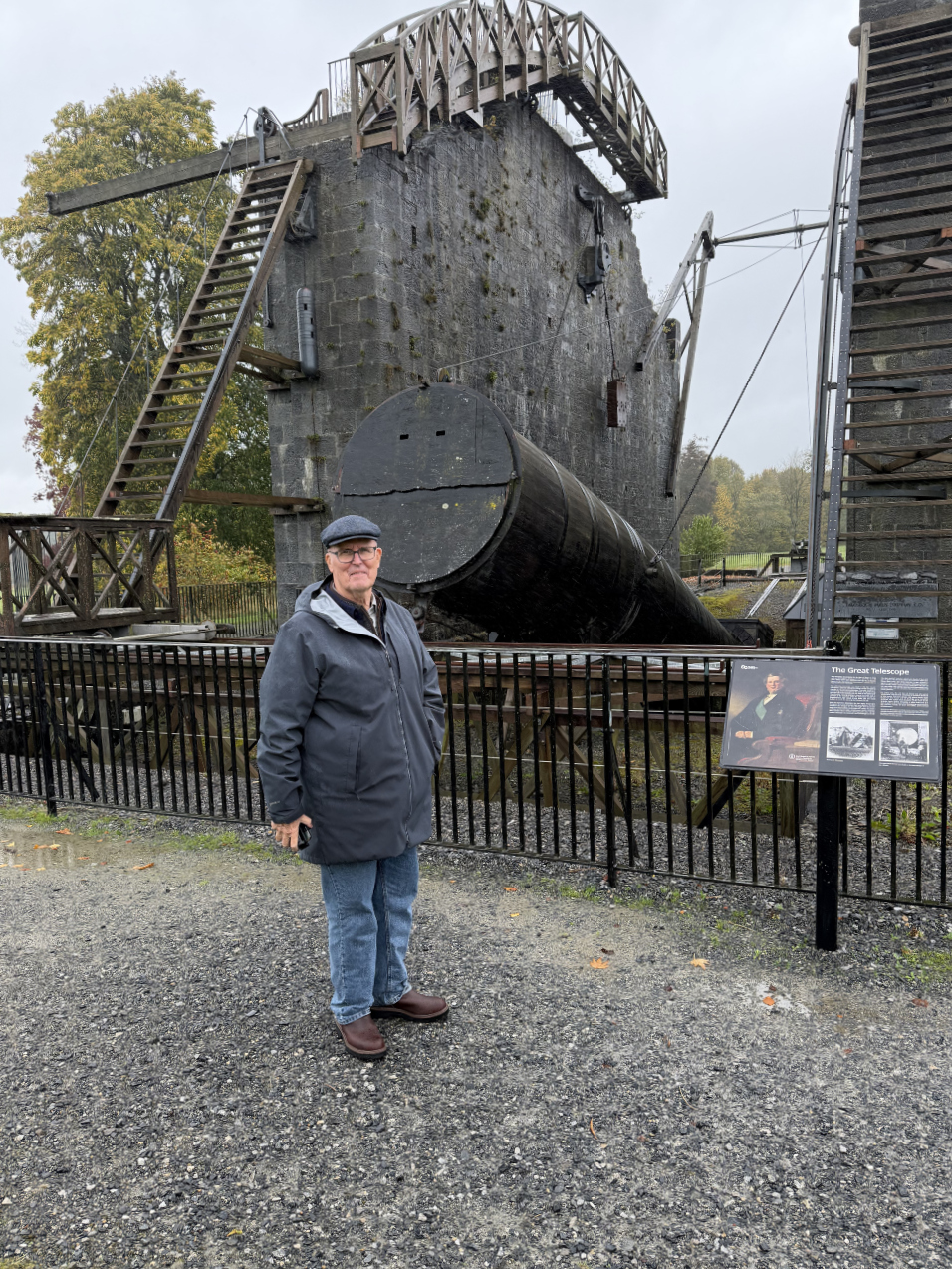
John Lee in front of the reconstructed Leviathan telescope at Birr Castle
Brian points out that the Parsons family's 400-year legacy includes what’s thought to be one of the world's earliest surviving suspension bridges on the grounds, Charles Parsons' invention of the steam turbine, and the work of photography pioneer Mary Wilmer Field, the 3rd Countess of Rosse.
Her 1850s glass plate photographs are preserved in Ireland’s Historic Science Centre at Birr, which not only tells the Birr science story in historical artifacts and interactive displays, but that of Ireland as well.
And Birr is still writing that science story today as it hosts the Irish station of the Europe-wide LOFAR radio telescope network, which in 2018 observed for the first time a billion-year-old red-dwarf, flare star.
Add botany and horticulture to the science mix with multi-generational botanical treasures on display across the expansive grounds including 17th-century box hedges (among the world's tallest), specimens from China and South America, and Victorian glasshouses under restoration.
“There's something in bloom every day of the year, throughout the whole year of plants from right throughout the world.” Brian says.
The conversation wraps with a discussion of the town's transformation from "Parsonstown" back to its original Irish name, its connection to St. Brendan's monastery, the charming town’s rich Georgian heritage, and things to see and do “off the beaten craic” in Birr’s environs.
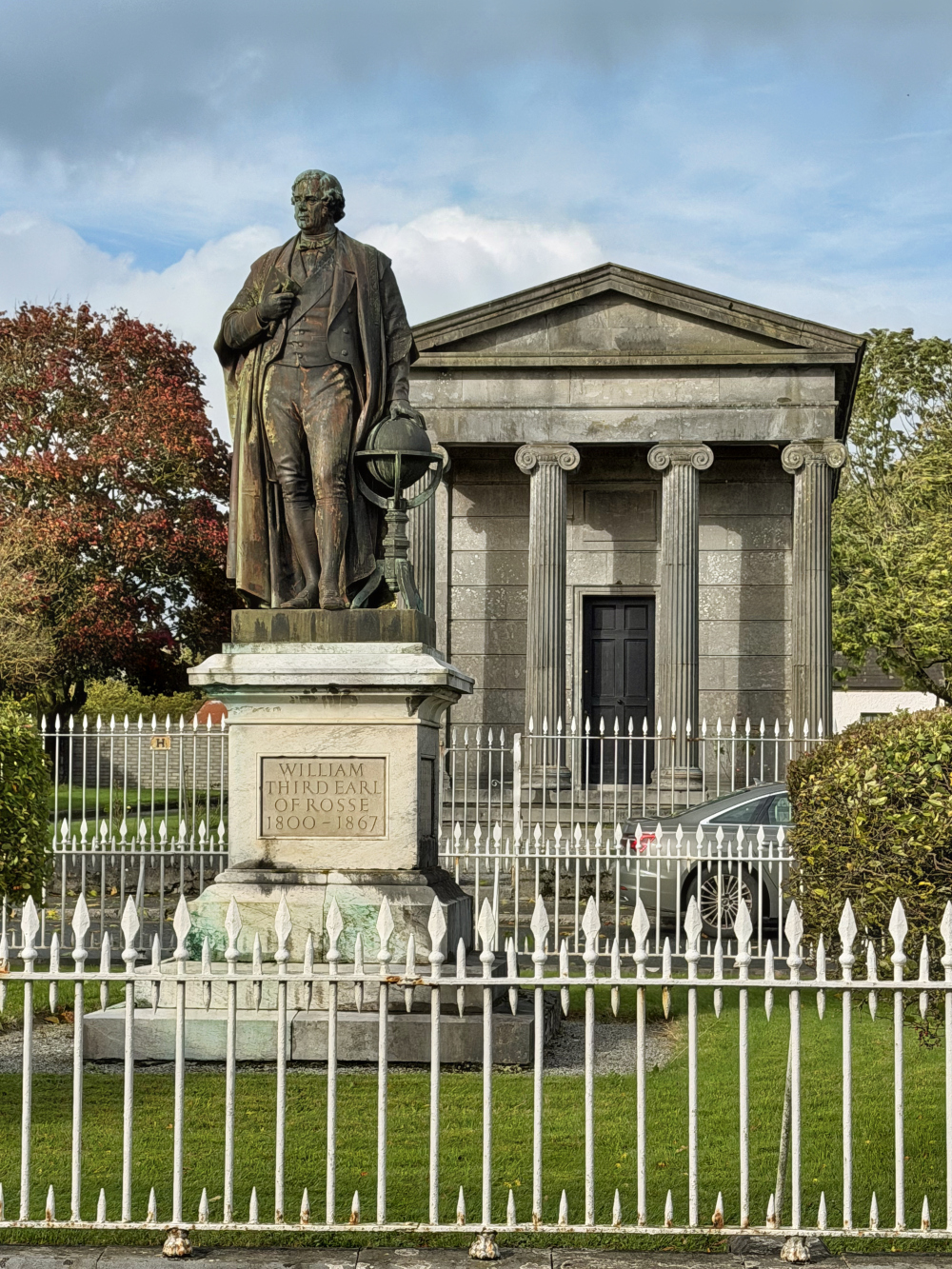
But for Brian, it all starts with the Birr Castle Demesne, “Come early in the morning because one day is just not enough to take in all that the castle has to offer,” he advises.
Next week Irish Stew makes one more stop in Co. Offaly at the River Shannon town of Banagher where John and Martin record their first (but not their last) episode in a church!
Links
Birr Castle Demesne
Hidden Heartlands Travel Resources
Irish Stew Links
Episode Details: Season 7, Episode 35; Total Episode Count: 138
00:00 - Introduction
02:09 - Brian Kennedy's first Birr Demesne memories
03:55 - Science and invention at Birr Castle
06:48 - The Leviathan telescope
11:12 - The Family Genius of the Earls of Rosse
15:38 - The gardens at Birr Demesne
20:21 - A shifting town name
22:25 - Birr: Where human rights began
25:13 - Modern Birr
26:14 - Visitor advice
32:13 - Seamus Plug
33:06 - John & Martin Recap
34:53 - Credits
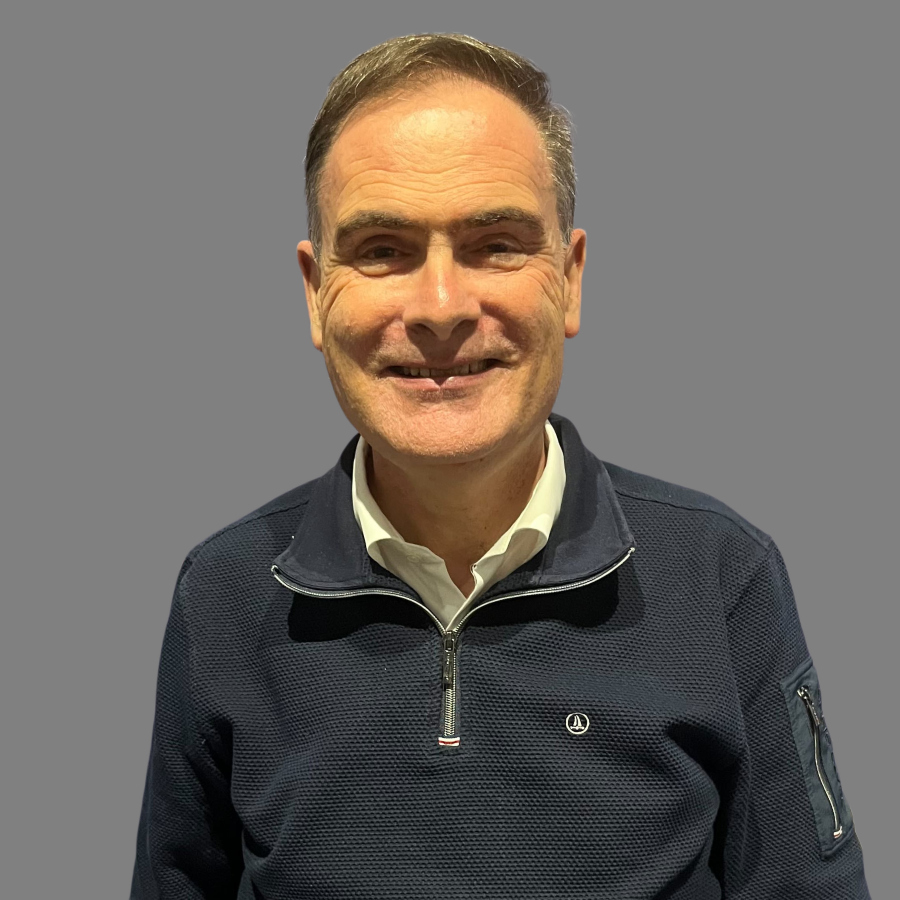
Local Historian
Brian Kennedy is a respected local historian for the town of Birr and Birr Castle Demesne in County Offaly. He is known for leading guided tours and delivering engaging talks that highlight the history of Birr, the Parsons family, and the unique heritage of Birr Castle and its grounds. Brian has a long-standing involvement with the Birr Historical Society and has played a key role in sharing local stories and fostering a strong connection between the community and its historical sites. His expertise and passion for local history make him a sought-after guide and ambassador for heritage events in the region.